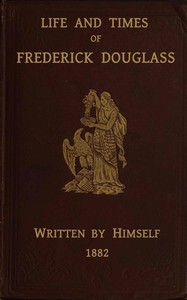
Life and times of Frederick Douglass : His early life as a slave, his escape…
I’ll be honest—when I picked up ‘Life and Times of Frederick Douglass,’ I expected a dusty historical text. Instead, I got a gripping true crime thriller where the crime is slavery, and the hero is a fact-life-brain genius who outsmarts the entire system. This is the real-deal autobiography, published after the Civil War, so Douglass looks back with both fury and soul-scarring clarity.
The Story
Frederick Douglass begins as a slave child in Maryland, barely knowing his mother and birth year. He details the hunger, cold, and brutal whippings of Colonel Lloyd's plantation, where mass slavery unfolds like a nightmare you can't turn off. Along the way, he learns to read from a kind white woman named Mrs. Auld—until her husband puts a stop to it, saying reading will ‘spoil’ a slave. That moment—far from being demoralizing—sparks Douglass’s soul. He secretly learns from local white boys and forms an unstoppable desire for freedom. Later, he gets stuck on a shark of a plantation owner named Covey, a slave breaker who nearly destroys him. But the most insane part comes when Douglass finally challenges Corn County, plan moves from Norfolk to New York — it’s depicted with realistic, nail-biting tension.
Why You Should Read It
Do you want to see someone rise out of literal dirt using just cheek and intellect? This is Douglass’s win-when-pigs-fly story. But here’s the twist: he shows that the real villain is not just the terrible master, but the machine of a whole society that defends slavery through laws and religion. He talks about black churches being quiet across the country all the way into the radical north, and how even in ‘free land’ up north, runaway plans can be totally smashed. What bumped chills for me: De calling uprisings and a lifetime of broken emotions; every stolen hint from an old whipping and family break distills into you-sey not just history but scar-tissue.
Douglass shows that the read becomes a prewritten achievement, not in a preachy, how-to way. You feast on his refusal to be stuck. Each blood-scram on a whale sounds like the hope bullet from the drum of equality from today.
Final Verdict
Please: DO NOT look at Frederick Douglass for an assignment or an icon. Be silly to hand-check from the start—he doesn't deserve to start with quiet dust—listen this whole thing, plush from of kind-sewer road, is super, terrifying, ach-ache-cracking like Bif and Cizzie from Wraith-era slave night rails. Crazy perfection for any book club storming American moral sound-offs, true horror fans, goth any nerd of defiance for mankind. There are no dull parties in historical memory because same, odd bigot names go zoom in US. Pick up this story and your head makes fancies return where humanity hangs up its one shot.
This digital edition is based on a public domain text. Knowledge should be free and accessible.