
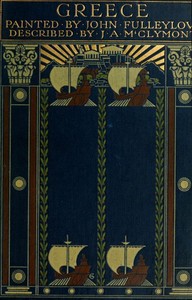
Greece by J. A. M'Clymont
Okay, full confession: I picked up Greece by J. A. M’Clymont thinking it might be dusty old history written for a stuffy college course. Boy, was I wrong. This little book—written in the late 1800s—feels like sitting next to your most interesting uncle as he spills travel secrets over a glass of retsina.
The Story
There’s no car chase or twist ending here. Instead, M’Clymont takes us on a real journey through 19th-century Greece, from the Acropolis to remote mountain villages. He doesn’t just visit ruins; he shows up hungry, tired, and amazed. Each chapter walks you to a new spot—an ancient temple, a bustling market, a quiet monastery—and sits down long enough to tell you what turned his head. He isn’t obsessed with ancient dates and dry facts; he wants to know how olives taste after months without decent wine, or how an island priest out-argues a German archaeologist. It’s part travel diary, part love letter. The story is basically: “I came, I saw, I fell hard for this raw and weird place.”
Why You Should Read It
First, this dude has a voice. It’s friendly and curious, and he makes you laugh out loud (I didn’t expect that from a 130-year-old travel book). For example, when he almost drowns on a bad ferry trip, he jokes about it like a modern travel blogger trapped in a Victorian suit. Also, the book hits a unique sweet spot: you get pieces of history—like why a particular stone somehow still stands—without feeling like you’re studying for a test. His favorite theme comes through clear: ancient glories don’t really explain today’s Greece, which is just so much more tangled and human. He searches for what truly lasts—hospitality, a lively argument, stubborn hope in underdog villages. I fell in love with scenes where local farmers casually correct his “book knowledge” about myths. Those small moments teach you more about diplomacy or humility than ten guidebooks. Honestly, you’ll finish this book believing every charming and rumpled guide working a wine tour by the blue sea knows this secret he shares.
Final Verdict
Perfect for history geeks? Sure, but really, it’s for anyone who loves travel writing that feels like a real person talking to you. Give this to your friend who never met a Rick Steves show they didn’t love, or that weary nerd who thinks modern travel is too busy and loud. And if you’re planning an actual Greece vacation? Definitely read it. You’ll finally understand why white-and-blue dreams keep hitting your brain—and why locals will seem weirdly familiar. It isn’t stuffy. It’s the best kind of old: a written room where Greece stays alive.
This text is dedicated to the public domain. You can copy, modify, and distribute it freely.










Kimberly Moore
2 years agoThe analytical framework presented is both innovative and robust.